Psilocybin-assisted therapy is a developing approach to mental healthcare. Its clinical value lies in whether a person becomes less depressed, less disabled or more able to live well after treatment. The intensity of the experience matters, but it is only one part of that judgement. An encounter can feel extraordinary without producing a durable improvement, while a quieter change in mood or behaviour can have considerable practical value.
Psilocybin can produce rapid changes in perception, emotion and the sense of self. When administered within a structured clinical programme, it has also produced reductions in depressive symptoms and psychological distress in some patient groups. The results vary between conditions, individuals and treatment programmes. Assessment needs to consider the possibility of substantial benefit alongside nonresponse, deterioration and harm. Hope becomes more useful when it is attached to a clear understanding of what treatment involves.
On this page
What psilocybin does
Psilocybin is converted in the body into psilocin, the compound responsible for much of its psychoactive activity. Psilocin acts at serotonin receptors, with the 5-HT2A receptor playing a central role in the characteristic psychedelic state. Perception, attention and emotional significance can change markedly. Colours or patterns may become unusually vivid; familiar thoughts may seem newly important; the ordinary boundaries between self and surroundings may feel less definite. These effects are pharmacological events, even when the person gives them a spiritual or philosophical interpretation.1
The acute experience unfolds over hours. A proposed therapeutic effect lasting weeks or months therefore needs an explanation beyond the continued presence of the drug in the bloodstream. The distinction between drug exposure and subsequent change is fundamental. It directs attention towards learning, emotional processing, behaviour, psychological support and longer-lasting biological changes, while leaving the relative contribution of each open to investigation.2
The term psilocybin-assisted therapy refers to a defined clinical intervention. A measured pharmaceutical preparation, a specified diagnosis and an organised treatment setting give clinical meaning to the intervention. Naturally occurring mushrooms introduce additional variation in composition and exposure. Species identity and a history of use do not establish pharmaceutical equivalence. A treatment claim needs to refer to something sufficiently defined that its benefits and harms can be evaluated.
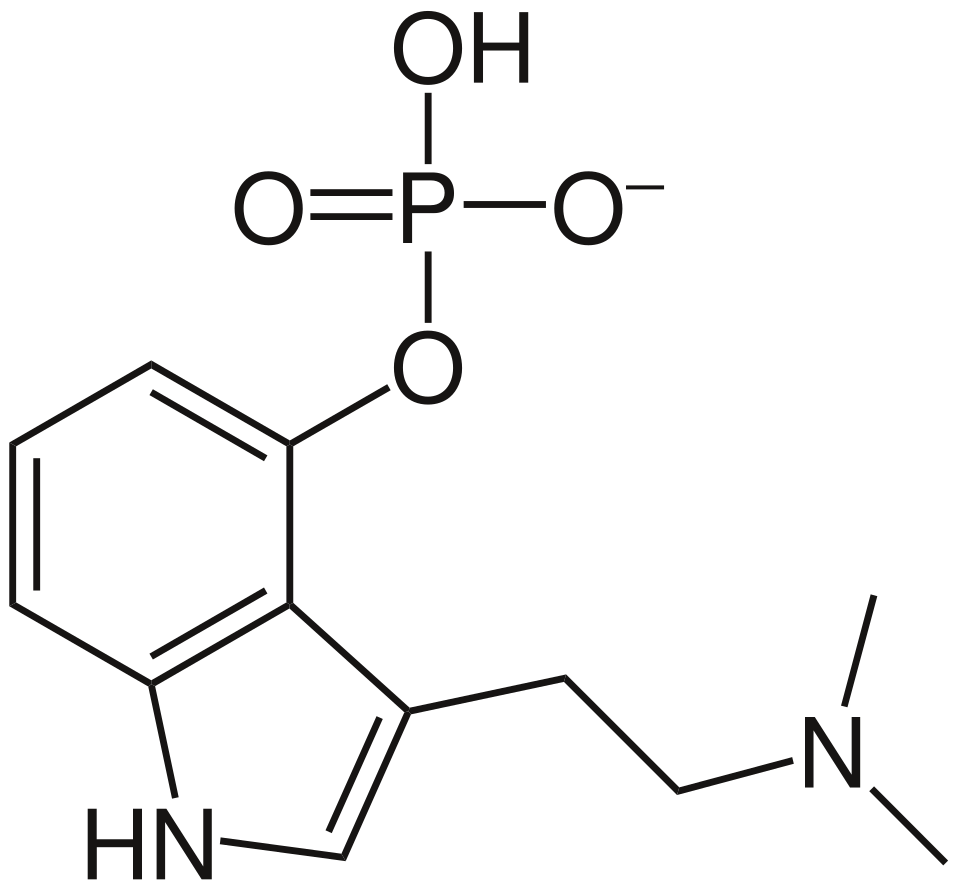

The brain and the meaning of change
Psilocybin changes communication across brain networks. Human imaging has shown pronounced alterations in functional connectivity during the acute state, including changes involving the default mode network and its relationship with other systems. Functional connectivity describes statistical relationships between recorded signals. It does not directly show that a particular belief has been removed or that a psychological injury has been repaired.3
Neuroplasticity is relevant because the nervous system can change in response to activity and experience. Experiments involving psychedelics have identified effects on plasticity-related processes, including structural changes in laboratory models. The distance between a cellular finding and a sustained improvement in a person’s life remains substantial. Increased capacity for change does not, by itself, specify the direction of that change.4
Expressions such as a brain “reset” are metaphors. They may communicate a person’s sense of relief, but they should not become an anatomical explanation. Depression, addiction and anxiety involve interacting biological, psychological and social processes. A brief alteration in brain activity cannot be assumed to resolve every process maintaining the illness. The clinical question is what changes afterwards: sleep, avoidance, rumination, relationships, drinking, work and the ability to tolerate ordinary difficulties.
This also helps explain why the surrounding environment deserves attention. A period of unusual emotional openness may provide an opportunity to reconsider entrenched assumptions. It may also leave a person more vulnerable to the expectations or interpretations of someone in authority. This vulnerability calls for particular professional restraint. The treatment setting should protect the person’s ability to make sense of the experience in their own terms.
The medical applications
Depression is a major focus of clinical development. Some controlled comparisons have found greater symptom improvement after psilocybin than after a comparator intervention. For example, a 2023 trial involving 104 adults found a larger reduction in depression scores through six weeks after a single administration with psychological support. This supports a clinically relevant antidepressant signal within that treatment setting; it does not establish that every person with depression will respond.5
The picture also includes inconclusive results. The 2026 EPISODE trial missed its primary six-week response endpoint, despite favourable secondary findings. Promising treatment effects still require confirmation.6
In people with life-threatening cancer, psilocybin-assisted treatment has been associated with reductions in anxiety and depression and changes in attitudes towards death. The clinical target is the person’s distress and quality of life. These findings do not establish an effect on cancer progression or survival. Relief from fear can be valuable without acquiring a claim to treat the underlying malignancy.78
Alcohol use disorder presents another potential application. Reduced heavy drinking has been reported within a programme combining psilocybin with psychotherapy. A later, smaller relapse-prevention trial after withdrawal treatment did not find a significant advantage on its primary drinking outcomes. Differences in severity, treatment stage and psychological intervention matter. “Addiction” is too broad a category to support a single expectation of benefit.910
Other applications, including obsessive–compulsive disorder, eating disorders and headache disorders, require their own assessment. Evidence of benefit in depression cannot establish effectiveness for a different diagnosis. The relevant questions are whether the intended symptom improves, whether improvement lasts, what accompanying treatment is required and what risks arise in that particular population.
The treatment begins before administration
Preparation gives the clinical team and the patient an opportunity to establish the purpose of treatment, the person’s expectations and the practical arrangements for care. It should include a clear explanation of possible experiences, uncertainty about benefit, foreseeable adverse effects and the person’s rights. A promise of transformation would be a poor foundation for consent. Someone should be able to understand the treatment without being required to adopt a particular theory of consciousness.
The history needs to cover the current problem, previous episodes, earlier treatment and relevant physical health. Psychiatric history, family history, substance use and prescribed or non-prescribed medicines can alter the assessment. A previous manic episode, psychotic symptoms or a significant cardiovascular problem may substantially change the risk calculation. The reassuring experience of a carefully screened group should not be transferred automatically to someone whose circumstances would have excluded them from that group.1112
Preparation also concerns the relationship with the people providing care. The person needs to know who will be present, what each professional is responsible for and how distress will be handled. Boundaries should be discussed while decision-making is unimpaired. Touch, privacy, recording, contact outside sessions and arrangements for complaints are practical matters, not minor administrative details.
A service should provide clear answers to ordinary questions about treatment. Its approach to risk, qualifications, follow-up and nonresponse should be as clear as its account of possible benefit. A person who declines treatment or questions an interpretation should remain entitled to respectful care. The intensity of the intervention increases the importance of an accountable therapeutic relationship.
Supervision during the acute experience
During administration, altered perception and judgement can coexist with heightened emotional sensitivity. Support involves maintaining a physically safe environment, observing changes in mental and physical state and responding proportionately when difficulties arise. The required competence includes recognising when an experience needs medical or psychiatric assessment. Confidence with psychedelic language is not a substitute for that competence.
Psychological support and formal psychotherapy are related but distinct. Some programmes emphasise a supportive, relatively non-directive presence. Others place the experience within a structured model, such as Acceptance and Commitment Therapy. In that model, psychological flexibility, willingness to encounter difficult experience and behaviour guided by personal values are central. The existence of a coherent model does not settle which components are responsible for a treatment effect.13
A strong emotional reaction need not be interpreted immediately. Fear, sadness or a vivid image can be acknowledged without being assigned a hidden cause. Routine assertions about what an experience “really means” can impose the practitioner’s interpretation on the patient. The person may feel unusually certain during an altered state. That certainty can be psychologically important while remaining an unreliable guide to the historical accuracy of a memory or the truth of a belief.14
What integration can reasonably mean
Integration is the work of relating an experience to subsequent life. It may involve describing what happened, recognising emotional consequences and considering whether an apparent insight has any useful application. The word becomes less helpful when it is used as an explanation for every outcome. Improvement should not automatically be attributed to successful integration, nor deterioration to a person’s supposed failure to integrate properly.
A practical approach connects the experience with observable changes in daily life. If someone feels newly able to approach a feared conversation, the relevant questions concern whether the conversation happens, how it is handled and what follows. If they feel that a longstanding pattern has changed, that impression can be considered alongside their behaviour over time. An experience acquires clinical significance through what it makes possible and what it costs, rather than through its dramatic quality alone.
Follow-up must also make room for disappointment. Some people will experience little improvement. Others may improve initially and later deteriorate. Continuing care should remain available without requiring a positive story about the treatment. An ordinary appointment to discuss sleep, anxiety or worsening mood may be more important than an elaborate interpretation of the experience.
Benefits and harms belong in the same assessment
Common acute problems include headache, nausea, anxiety, dizziness and increases in blood pressure. These are relevant even when they resolve relatively quickly. Longer-lasting psychological difficulties and serious events require separate consideration. “Generally tolerated” describes an overall pattern under particular conditions; it does not mean that every participant had an uncomplicated experience.1516
A person may also face risks associated with the treatment process. Discontinuing an existing medicine can cause withdrawal symptoms or destabilisation. Travel, time away from responsibilities and the availability of support afterwards can affect the burden of care. These are practical consequences of the intervention, even where they are not direct pharmacological effects of psilocybin. Medication changes need an individual plan with the prescribing clinician.17
Different questions need different outcomes. A reduction in a depression score does not establish prevention of suicide. A meaningful experience does not establish restored functioning. The absence of a rare complication in a small group does not establish that the complication cannot occur. These distinctions keep the assessment proportionate and protect against both exaggerated reassurance and exaggerated alarm.
Recovery after the session
The most valuable outcome is a change that remains useful when ordinary life resumes. Assessment should establish whether someone can manage daily responsibilities, sustain relationships, sleep more reliably and respond differently to setbacks. Symptom scales provide a structured way to measure part of that change. They should sit alongside the person’s account of their own priorities and the treatment’s unwanted effects.
Duration matters. A rapid improvement can be highly valuable, but the care plan still needs to address recurrence. Whether another administration would help, who might need it and what repeated exposure adds to risk are separate questions. A brief intervention should not be described as a permanent solution merely because its effects outlast the drug’s immediate action.
The clinical value of psilocybin-assisted therapy depends on the quality of the care surrounding it. A credible clinical approach allows for benefit, uncertainty and failure; protects the patient’s autonomy; and remains responsible for difficulties that emerge afterwards. The most persuasive account of the treatment is one that can accommodate an ordinary, complicated human recovery without demanding a story of extraordinary transformation.
For the biological mechanisms and the course of recovery after treatment, see these clinical guides:
Other interventions require their own assessment of benefits, risks and clinical support:
Further clinical considerations include rapid antidepressant treatment, professional safeguards and interpretation of treatment effects:
References
- Nichols DE. Psychedelics. Pharmacol Rev. 2016;68:264–355. doi:10.1124/pr.115.011478.
- Otto ME, van der Heijden KV, Schoones JW, et al. Clinical Pharmacokinetics of Psilocin After Psilocybin Administration: A Systematic Review and Post-Hoc Analysis. Clin Pharmacokinet. 2025;64:53-66. doi:10.1007/s40262-024-01454-4.
- Siegel JS, Subramanian S, Perry D, et al. Psilocybin desynchronizes the human brain. Nature. 2024;632:131-138. doi:10.1038/s41586-024-07624-5.
- de Vos CMH, Mason NL, Kuypers KPC. Psychedelics and Neuroplasticity: A Systematic Review Unraveling the Biological Underpinnings of Psychedelics. Front Psychiatry. 2021;12:724606. doi:10.3389/fpsyt.2021.724606.
- Raison CL, Sanacora G, Woolley J, et al. Single-Dose Psilocybin Treatment for Major Depressive Disorder: A Randomized Clinical Trial. JAMA. 2023;330:843–853. doi:10.1001/jama.2023.14530.
- Mertens LJ, Koslowski M, Betzler F, et al. Efficacy and Safety of Psilocybin in Treatment-Resistant Major Depression: The EPISODE Randomized Clinical Trial. JAMA Psychiatry. 2026;83:448–460. doi:10.1001/jamapsychiatry.2026.0132.
- Griffiths RR, Johnson MW, Carducci MA, et al. Psilocybin produces substantial and sustained decreases in depression and anxiety in patients with life-threatening cancer: A randomized double-blind trial. J Psychopharmacol. 2016;30:1181-1197. doi:10.1177/0269881116675513.
- Ross S, Bossis A, Guss J, et al. Rapid and sustained symptom reduction following psilocybin treatment for anxiety and depression in patients with life-threatening cancer: a randomized controlled trial. J Psychopharmacol. 2016;30:1165-1180. doi:10.1177/0269881116675512.
- Bogenschutz MP, Ross S, Bhatt S, et al. Percentage of Heavy Drinking Days Following Psilocybin-Assisted Psychotherapy vs Placebo in the Treatment of Adult Patients With Alcohol Use Disorder: A Randomized Clinical Trial. JAMA Psychiatry. 2022;79:953–962. doi:10.1001/jamapsychiatry.2022.2096.
- Rieser NM, Bitar R, Halm S, et al. Psilocybin-assisted therapy for relapse prevention in alcohol use disorder: a phase 2 randomized clinical trial. EClinicalMedicine. 2025;82:103149. doi:10.1016/j.eclinm.2025.103149.
- Johnson MW, Richards WA, Griffiths RR. Human Hallucinogen Research: Guidelines for Safety. J Psychopharmacol. 2008;22:603–620. doi:10.1177/0269881108093587.
- Royal Australian and New Zealand College of Psychiatrists. Guidance for Authorised Prescribers of MDMA and psilocybin. July 2026.
- Guss J, Krause R, Sloshower J. The Yale Manual for Psilocybin-Assisted Therapy of Depression (Using Acceptance and Commitment Therapy as a Therapeutic Frame). 2020. Research therapy manual; author-deposited preprint. doi:10.31234/osf.io/u6v9y.
- McGovern HT, Grimmer HJ, Doss MK, et al. An Integrated theory of false insights and beliefs under psychedelics. Commun Psychol. 2024;2:69. doi:10.1038/s44271-024-00120-6.
- Yerubandi A, et al. Acute Adverse Effects of Therapeutic Doses of Psilocybin: A Systematic Review and Meta-Analysis. JAMA Netw Open. 2024;7:e245960. doi:10.1001/jamanetworkopen.2024.5960.
- Hinkle JT, Graziosi M, Nayak SM, Yaden DB. Adverse Events in Studies of Classic Psychedelics: A Systematic Review and Meta-Analysis. JAMA Psychiatry. 2024;81:1225–1235. doi:10.1001/jamapsychiatry.2024.2546.
- National Institute for Health and Care Excellence. Depression in adults: treatment and management (NG222). Recommendations; accessed 11 October 2026.