Neurology: The Organic Brain and Human Experience
This Neurology hub gathers Andrew T. Austin’s writings on the organic brain: from epilepsy, phantom limb pain and dementia to neuroanatomy for NLP practitioners, unusual neurological syndromes and the overlap between mind, body and behaviour. Use the themes below to explore the conditions, case stories and concepts that interest you most.
Browse by theme
- Neurology for practitioners & NLP
- Neurodegenerative disease & long-term conditions
- Epilepsy, seizures & altered states
- Pain, phantom limbs & sensory disturbance
- Brain anatomy, lesions & case stories
- Brain, mind, memory & belief
Neurology for practitioners & NLP
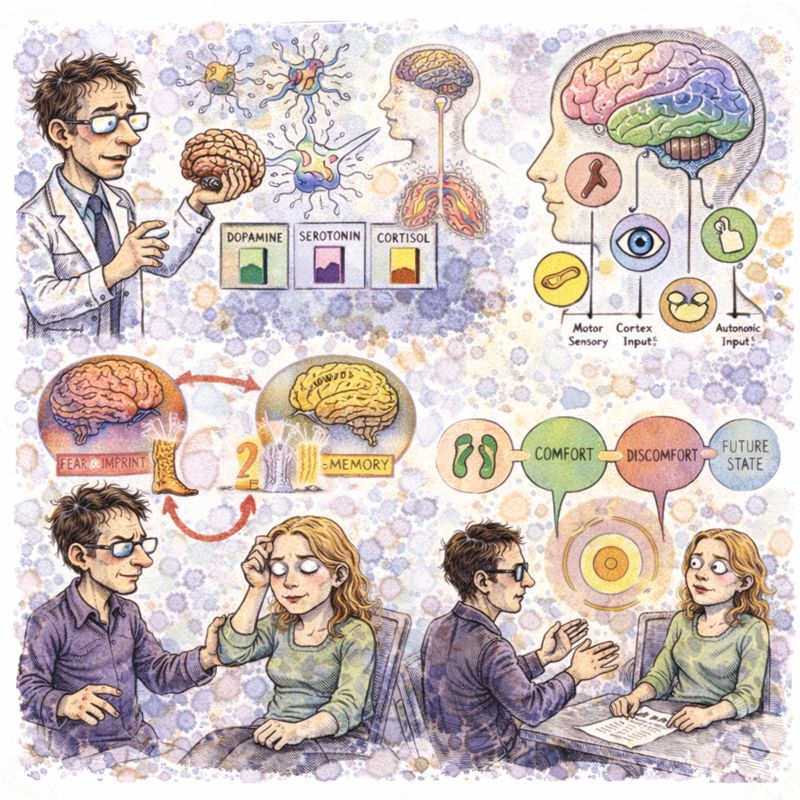
Articles that bridge clinical neurology with NLP, psychotherapy and change work, aimed at practitioners who want to ground their models in the realities of the nervous system.
- NLP and Neuro-Anatomy – an overview of key brain structures and how they relate to NLP models and practice.
- The Hippocampus, Memory, Time-Lining and the NLP Practitioner – exploring the hippocampus, memory formation and what “time-lines” might mean in organic terms.
- Bodily Rhythms and the NLP Practitioner – how circadian rhythms, hormonal cycles and other bodily patterns affect mental state and interventions.
- The Amygdala: Panic, Phobias, PTSD and the NLP Practitioner – a look at fear circuitry, threat responses and what this means for treating anxiety and trauma.
- Depression and Sleep – examining the two-way relationship between sleep architecture and depressive states.
Neurodegenerative disease & long-term conditions
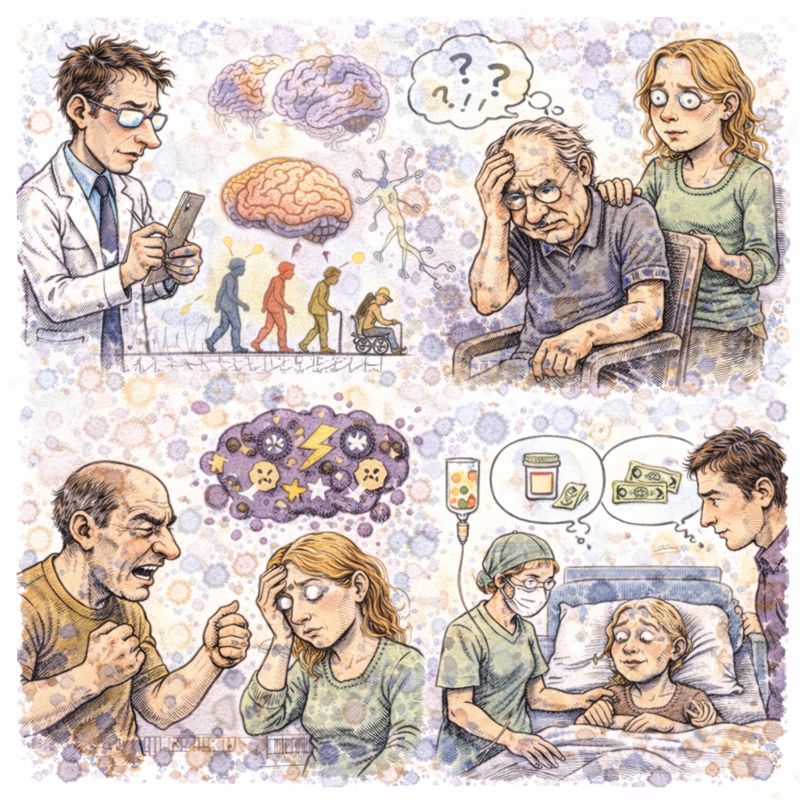
Essays focusing on diseases that progressively damage the nervous system, and the psychological, behavioural and treatment issues that arise over time.
- Palliative Treatment for Multiple Sclerosis – reflections on symptom management, prognosis and quality of life in MS.
- Parkinson’s Disease: Focusing on the On/Off Phenomenon – exploring motor fluctuations, medication timing and the lived experience of Parkinson’s.
- Alzheimer’s Disease: Towards Modern Biochemical Interventions – a discussion of emerging biochemical approaches and what they might realistically offer.
- Dementia and Sexual Disinhibition – looking at changes in sexuality and social behaviour in dementia and how families and staff respond.
- Brain Food – considering diet, supplements and the many claims made about “feeding” the brain.
Epilepsy, seizures & altered states
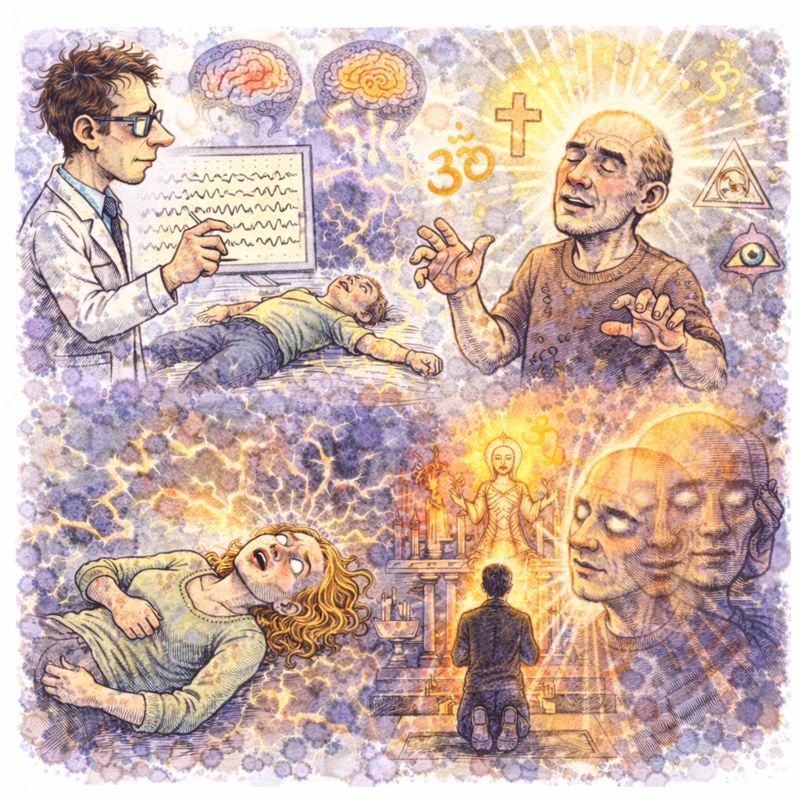
Articles examining seizure disorders, especially temporal and frontal lobe epilepsy, and how they intersect with experience, behaviour and sometimes spirituality.
- Temporal Lobe Epilepsy – exploring temporal lobe seizures, personality changes and associated experiential phenomena.
- Frontal Lobe Epilepsy – on the distinctive features of frontal lobe seizures and their diagnostic challenges.
- Neurotheology: God and the Brain – examining religious experience through the lens of neurology, including seizure-related phenomena.
Pain, phantom limbs & sensory disturbance
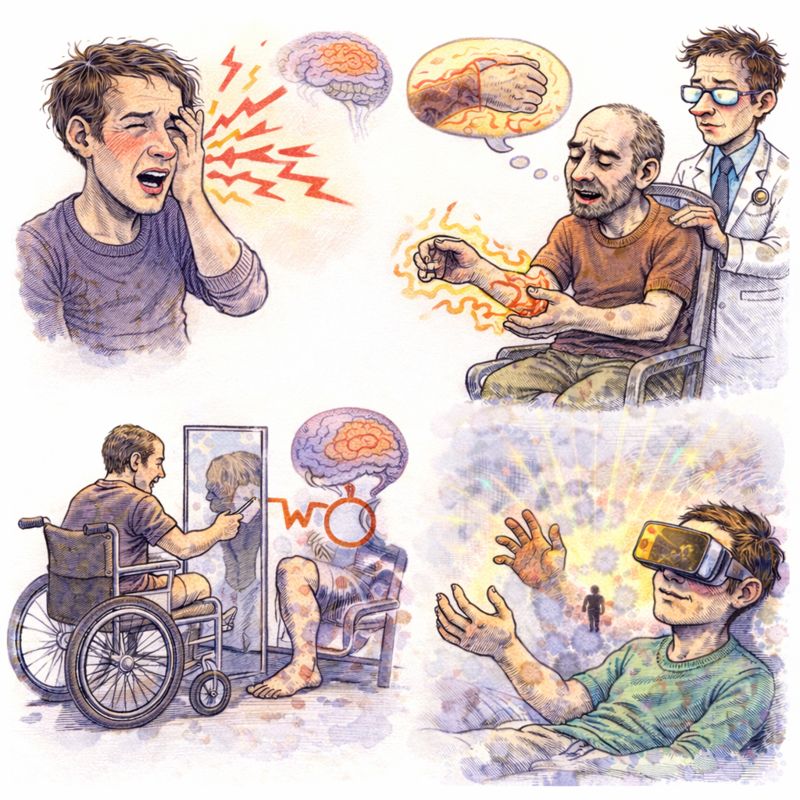
From stabbing facial pain to limbs that no longer exist but still hurt, these essays look at how the brain constructs body and pain, and how treatment tries to catch up.
- Phantom Limbs – an introduction to phantom limb phenomena and what they reveal about body representation.
- History of Phantom Limb Pain – tracing the historical context and evolving medical understanding of phantom limb sensations.
- History and Neurology of Phantom Limb Pain – tracing how phantom limb pain has been understood and theorised over time.
- Mirror Box Treatment for Phantom Limb Pain – a look at mirror therapy, how it works and what it can (and cannot) achieve.
- Trigeminal Neuralgia: Basic Clinical Concepts – covering key aspects of this severe facial pain disorder, sometimes called the “suicide disease”.
- Persistent Sexual Arousal Syndrome – exploring a distressing condition of unwanted arousal and its likely neurological underpinnings.
Brain anatomy, lesions & case stories
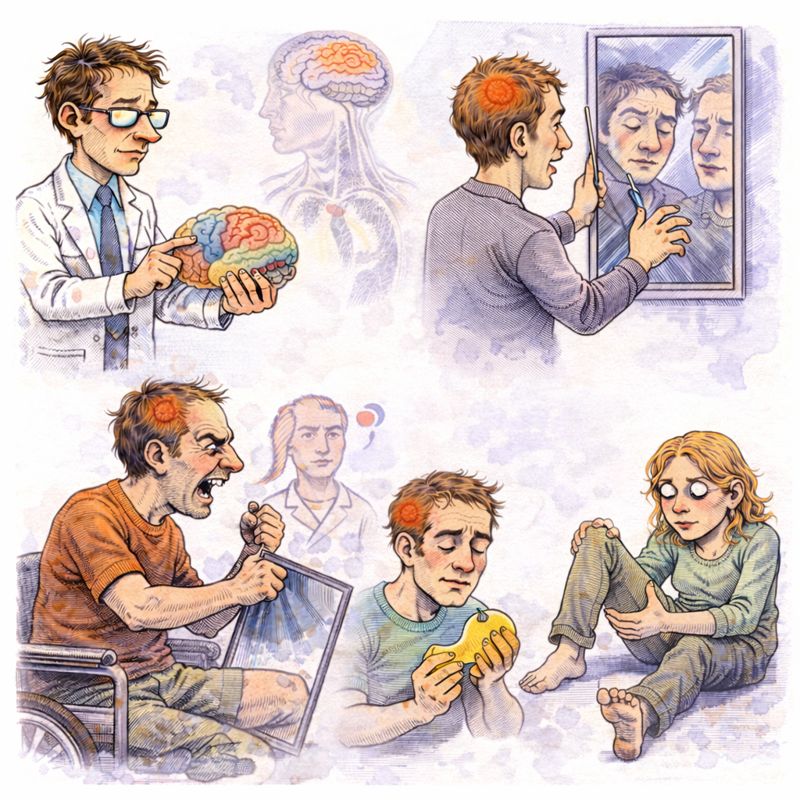
Core structures, dramatic case histories and strange syndromes that highlight how specific parts of the brain shape personality, movement, language and perception.
- The Motor and Sensory Cortex – an accessible overview of the brain regions that control movement and bodily sensation.
- Aphasia and Dysphasia – examining language loss after brain injury, and what it shows about how language is organised.
- Cerebral Aneurysm – on aneurysms in the brain, rupture, and the consequences for cognition and daily life.
- Brain Tumours – considering types of brain tumour, symptoms and the impact on personality and function.
- Alien Hand Syndrome – a striking disorder where a limb seems to act with a will of its own.
- Blind-Sight and Its Divergent Illustrations – exploring vision without awareness and what blindsight tells us about conscious perception.
- Phineas Gage – revisiting the famous case of frontal lobe injury and personality change.
- Unusual Neurological Conditions – a tour through some of the stranger syndromes encountered in neurology.
- Drug-Induced Neurological Disorders – looking at how prescribed and recreational drugs can damage or disrupt the nervous system.
Brain, mind, memory & belief
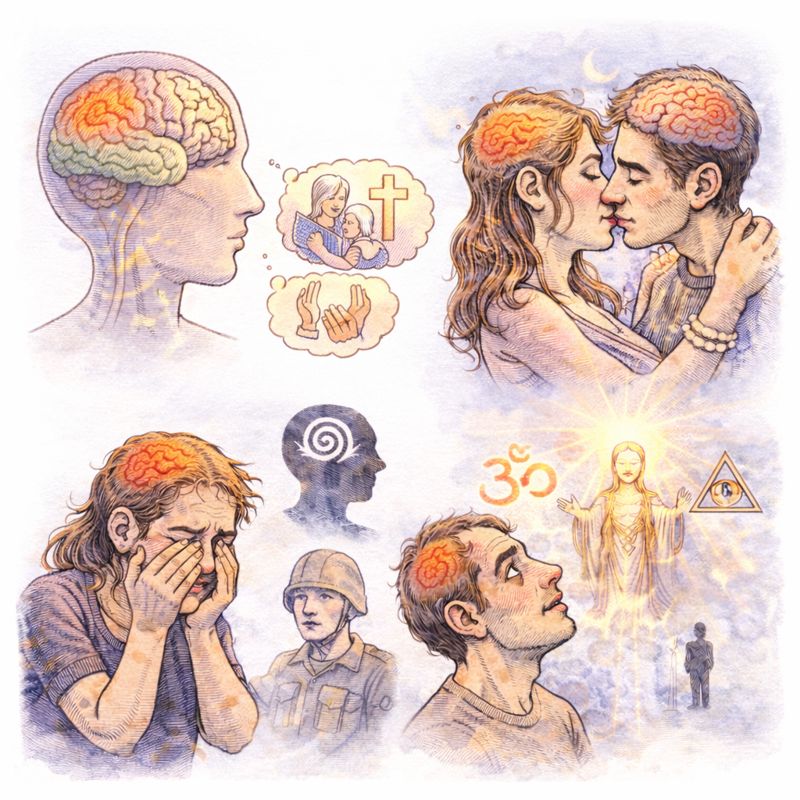
Pieces that sit at the intersection of neurology, psychology and culture: how the brain underlies memory, sexuality, belief and extraordinary experiences.
- Neurotheology: God and the Brain – exploring religious experience, spirituality and their neurological correlates.
- Photographic Memory – a critical look at the idea of “photographic” or eidetic memory and what science actually supports.
- Sexual Fetishes and What I Learned About Them as a Treating Psychotherapist – reflecting on fetishistic behaviour, neurology and meaning-making from clinical practice.
- Persistent Sexual Arousal Syndrome – (also relevant here) where misfiring neurological circuitry and subjective experience collide.
You can use this Neurology hub as a reference map: dip into specific conditions, follow the practitioner-focused articles if you work clinically, or explore how organic brain processes shape everyday experience, identity and belief.