Affiliate disclosure: the links to Pulsetto on this page are affiliate links. If you buy through them I may earn a commission, at no extra cost to you.
Not medical advice: this page is general information. Vagus nerve stimulation is not suitable for everyone. Read the manufacturer’s safety information and speak to your doctor before using a device like this, especially if you have a heart condition, an implanted medical device such as a pacemaker, any other medical condition, or are pregnant.
Pulsetto: a vagus nerve stimulation device
This page describes a consumer vagus nerve stimulation device, Pulsetto, and what the manufacturer says it is designed to do.Buy here (affiliate link): Pulsetto Vagus Nerve Stimulation
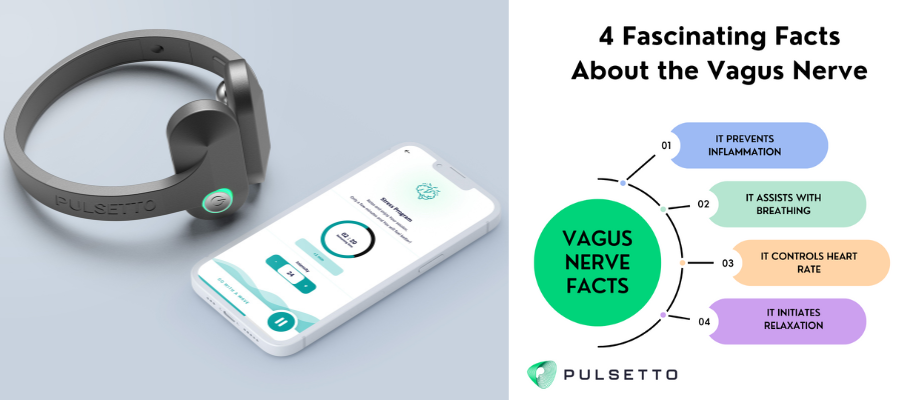 Pulsetto is a consumer device that stimulates the vagus nerve. The manufacturer says this can support relaxation and reduce feelings of stress. Effects vary from person to person, and the research on devices of this kind is still developing. People look at devices like this when they want help winding down, sleeping better or feeling calmer. It may suit some people and not others, and it is not a replacement for medical or psychological care.
 The vagus nerve is a major part of the mind-body connection. It runs from the brainstem through the body and is involved in functions such as mood, immune response, digestion and heart rate. The manufacturer describes Pulsetto as designed to stimulate the vagus nerve non-invasively, with the aim of supporting relaxation and sleep. These are the manufacturer’s claims, not medical advice.
Buy here (affiliate link): Pulsetto Vagus Nerve Stimulation
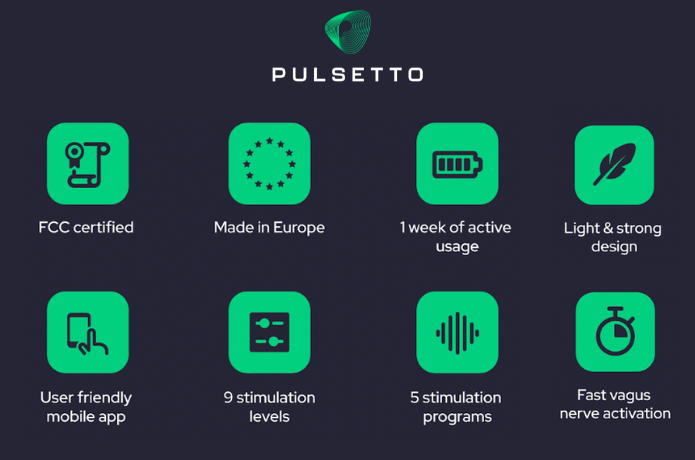 The vagus nerve, also known as the tenth cranial nerve (CN X), plays a pivotal role in the autonomic nervous system, bridging the brain to various organ systems throughout the body. It is the longest nerve of the autonomic nervous system and is unique due to its extensive reach, innervating the heart, lungs, upper digestive tract, and other organs. The vagus nerve is instrumental in controlling involuntary body functions, including heart rate, digestion, and respiratory rate, through parasympathetic fibres that promote relaxation, healing, and restoration. Its significance in mediating health and disease has been increasingly recognised, highlighting its potential as a therapeutic target for various conditions. Below is a detailed overview of how the vagus nerve mediates health:
- Regulation of Heart Rate: The vagus nerve exerts a parasympathetic influence on the heart, reducing heart rate and blood pressure. It acts to balance the sympathetic nervous system, which can increase heart rate, demonstrating its critical role in cardiovascular health.
- Control of Digestion: It stimulates muscle contractions (peristalsis) in the gastrointestinal tract to aid in food digestion and absorption. Additionally, it influences the production of digestive enzymes and stomach acid, essential for breaking down food.
- Respiratory Rate Regulation: The vagus nerve affects respiratory rate by interacting with the lungs and bronchial muscles, helping to control breathing patterns and reflexes such as coughing and sneezing.
- Immune System Modulation: It can modulate the immune system’s response by releasing acetylcholine, a neurotransmitter that can decrease inflammation. This anti-inflammatory pathway, known as the “cholinergic anti-inflammatory pathway,” suggests the vagus nerve’s role in controlling inflammatory responses and its potential in treating inflammatory diseases.
- Mood and Stress Response: The vagus nerve is a key component in the body’s relaxation response, influencing mood and stress levels. It is involved in transmitting neurochemical signals to the brain, which can affect mental health, demonstrating its connection to conditions such as anxiety and depression.
- Influence on Metabolism and Glucose Homeostasis: Research indicates that the vagus nerve is involved in regulating glucose levels and metabolism, impacting diabetes management and obesity.
- Gut-Brain Axis Communication: The vagus nerve is crucial in the gut-brain axis, the bidirectional communication pathway between the gastrointestinal tract and the central nervous system. This relationship is essential for maintaining gastrointestinal health and can influence psychological well-being.