Medical cannabis collection · Expanded 11 October 2026
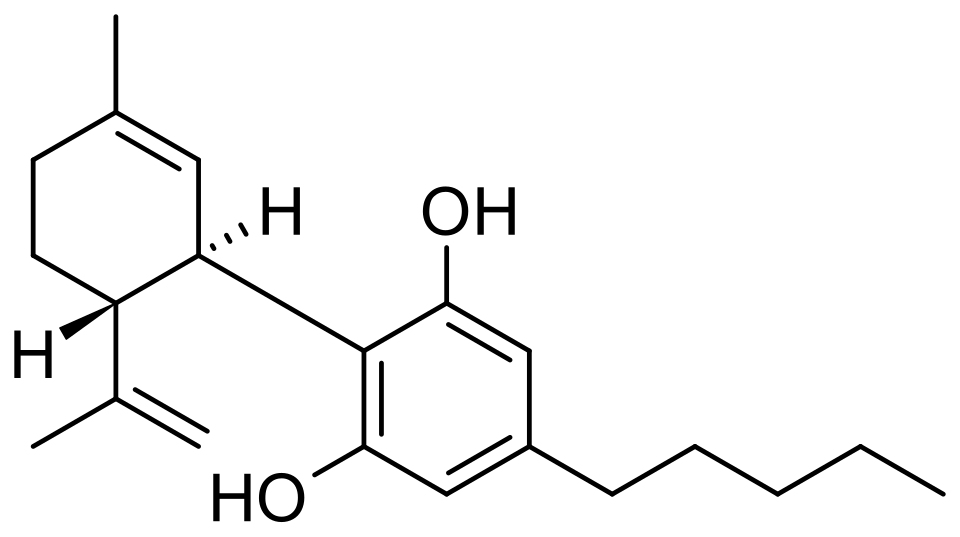
CBD is a pharmacologically active substance with an established role in certain severe epilepsies. That does not make every CBD oil an effective treatment for pain, anxiety or insomnia. Its reputation has grown faster than the evidence for many everyday uses. Understanding the difference between a licensed medicine, an experimental treatment and a consumer product makes the subject much clearer.
Evidence checked: 1 October 2026. This is general education; do not start, stop or replace prescribed treatment on the basis of this article.
On this page
- What CBD is
- Where the strongest clinical evidence lies
- Why epilepsy evidence does not settle other claims
- Does CBD cancel the effects of THC?
- Prescription medicine and consumer CBD
- Interactions and monitoring
- Questions that make the evidence useful
- Three different standards that are often confused
- References
“CBD can cause liver injury.”
US Food and Drug Administration — consumer information
This is a recognised potential harm, not a claim that every user develops liver injury. Prescription treatment weighs benefits against risks and includes monitoring.
What CBD is
Cannabidiol, usually abbreviated to CBD, is one of the cannabinoids found in cannabis. It differs from THC, which produces the characteristic cannabis high. Describing CBD as “non-intoxicating” is more precise than saying it has no effect on the brain. A substance that can help treat seizures is plainly capable of affecting nervous-system function.
The distinction also prevents a common misunderstanding: removing most THC does not turn a cannabis product into an inert supplement. The FDA’s consumer guidance describes CBD’s potential for drug interactions, liver injury and sedation. The absence of a THC high does not establish safety for every person or combination of medicines.
Where the strongest clinical evidence lies
In the UK, the purified CBD medicine Epidyolex is licensed as an additional treatment for seizures associated with Lennox–Gastaut syndrome and Dravet syndrome, alongside clobazam, in patients aged two years and over. It is also licensed as an additional treatment for seizures associated with tuberous sclerosis complex from age two. Treatment is supervised by clinicians experienced in epilepsy. These are specific indications, not a licence for CBD to treat epilepsy of every kind. See the current UK product information.
A 2017 placebo-controlled trial in 120 children and young adults with Dravet syndrome found a greater reduction in convulsive-seizure frequency with CBD added to existing treatment. Adverse events and withdrawals were more frequent with CBD. The result establishes a meaningful therapeutic use while also showing why monitoring matters.
A later dose-ranging Dravet trial found seizure reductions at both doses studied, with a better tolerability profile at the lower dose. This is a useful reminder that greater exposure is not automatically a better treatment. These studies used prescribed, standardised preparations and specialist oversight; their regimens should not be copied using shop-bought oils.
Why epilepsy evidence does not settle other claims
A drug’s benefit is specific to an indication, population and regimen. An antiseizure result does not establish relief of arthritis pain, a change in bowel symptoms or restoration of normal sleep. Each of those claims requires its own clinical evidence.
For insomnia, a 2024 placebo-controlled CBD pilot found no significant advantage on most sleep outcomes. For psychological distress, a 2025 study of 180 stressed students found that CBD oil did not outperform placebo oil on the measured outcomes, although both groups improved more than a no-treatment group on some measures. This population was not equivalent to patients with a diagnosed anxiety disorder, so the result should not be stretched into a universal conclusion either.
Such findings do not prove that CBD can never help outside epilepsy. They show why it is inaccurate to present it as an established general-purpose remedy. “Being investigated” and “shown to work” describe different stages of evidence.
Does CBD cancel the effects of THC?
There is no dependable rule that adding CBD makes THC non-intoxicating or safe for driving. Interactions depend on the amounts, timing and route. A controlled study summarised by NCCIH found stronger effects when a high oral CBD dose was combined with THC than when the same THC dose was taken alone.
A ratio also conceals the absolute dose. Two products can have the same THC:CBD ratio but contain very different quantities per millilitre. A “balanced” label therefore cannot answer how impairing a preparation may be or whether it is appropriate for a particular patient.
Prescription medicine and consumer CBD
Licensed medicine has a defined formulation, approved uses, formal product information and a monitoring framework. Consumer CBD products are a different category. Descriptions such as “full spectrum”, “broad spectrum” and “isolate” concern the intended mixture of ingredients; they are not clinical evidence that the product treats a disease.
Do not confuse a laboratory certificate with proof of effectiveness. Testing can help establish what a sample contains. It cannot show that a particular dose improves an individual’s diagnosis. Nor does a stated CBD quantity tell the whole story if other cannabinoids, ingredients or contaminants are present.
The Food Standards Agency’s consumer advice recommends a precautionary limit of 10 mg daily from CBD food products for healthy adults and advises vulnerable groups, including people taking medication, to avoid them unless under medical direction. This is consumer food-safety advice, not a therapeutic dose or a limit to impose on specialist-prescribed epilepsy treatment. Patients should follow their prescriber’s instructions.
Interactions and monitoring
The Epidyolex product information describes liver-enzyme monitoring and clinically important interactions. CBD can increase exposure to clobazam’s active metabolite, contributing to sedation; concurrent valproate increases concern about liver-enzyme elevations. Liver disease and changes in other medicines can affect treatment decisions. A pharmacist or prescriber should review the complete medication list rather than checking only whether two products are both “natural”.
Alcohol and other sedating drugs can increase drowsiness. People should mention non-prescription oils, gummies and supplements during medication reviews. Do not assume a product is irrelevant because it came from a retailer rather than a pharmacy.
Questions that make the evidence useful
- What diagnosis or symptom is CBD intended to treat?
- Was that exact type of preparation tested in an appropriate controlled study?
- Is the planned outcome seizure reduction, less pain, better sleep or something else?
- What interactions, monitoring and follow-up are needed?
- What would lead the clinician to change or stop treatment?
CBD’s established medical role is significant precisely because it rests on specific trials and careful prescribing. That role is best explained accurately, without using it to validate every product or every advertised benefit.
Three different standards that are often confused
Identity: what is in the product, and how consistently is it made?
Efficacy: did the preparation improve the relevant clinical outcome in an appropriate study?
Suitability: do this person’s other medicines, medical history and treatment goals make it a reasonable option?
A laboratory certificate addresses only part of the first question. A licence addresses particular uses, rather than all conceivable uses. A prescription adds a clinical decision and a follow-up responsibility; it does not remove the need to assess response. Keeping these standards separate makes both enthusiastic claims and blanket dismissals easier to evaluate.
References
External links open in a new tab.
- FDA. Consumer guidance on products containing cannabis and cannabis-derived compounds, including CBD.
- Epidyolex 100 mg/ml oral solution. UK Summary of Product Characteristics.
- Devinsky et al. (2017). Placebo-controlled trial of cannabidiol for drug-resistant seizures in Dravet syndrome.
- Miller et al. (2020). Dose-ranging randomised trial of cannabidiol in Dravet syndrome.
- Narayan et al. (2024). Cannabidiol for moderate–severe insomnia: a randomised controlled pilot trial.
- Randomised study (2025) of CBD oil, placebo oil and no treatment in stressed students.
- NCCIH. Research summary: oral THC combined with CBD can produce stronger drug effects than THC alone.
- Food Standards Agency. Cannabidiol (CBD): consumer advice.
Image sources