Medical cannabis collection · Sources reviewed 11 October 2026
Feeling better and having less bowel inflammation are related but different outcomes. Cannabis research in Crohn’s disease and ulcerative colitis makes that distinction unusually clear. Some small trials report better symptoms or quality of life without a corresponding improvement in endoscopy or inflammatory markers.
On this page
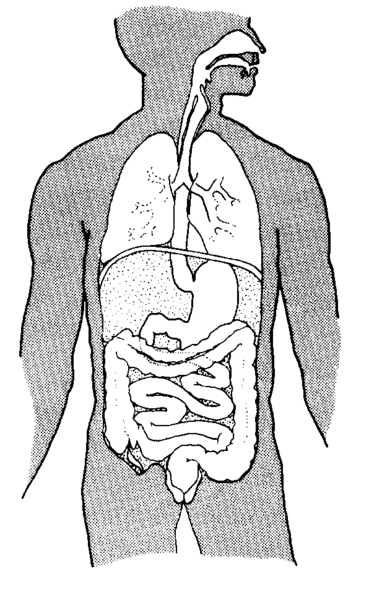
IBD is not another name for IBS
Crohn’s disease and ulcerative colitis are inflammatory bowel diseases. IBS is a disorder of gut–brain interaction and has a different diagnostic framework. Pain and altered bowel habits can occur in both, which makes a shared symptom an unreliable guide to the underlying problem. NIDDK digestive-disease information.
A report that a product helps abdominal discomfort cannot establish which diagnosis is present. Likewise, relief after a treatment does not show that inflammation, a complication or another cause of symptoms has resolved. The original diagnosis and the current clinical assessment remain essential.
The Crohn’s disease trial
A 2021 randomised trial enrolled 56 people and compared a CBD-rich cannabis oil containing THC with placebo for eight weeks. Clinical activity and quality-of-life scores improved more with the cannabis preparation. Endoscopic scores and inflammatory markers did not show a corresponding significant improvement. Naftali and colleagues: Crohn’s disease trial.
“without significant changes in inflammatory parameters or endoscopic scores”
Naftali and colleagues, 2021An excerpt from the conclusion describing the gap between symptom improvement and measured inflammatory outcomes.
This was CBD-rich cannabis, not CBD alone. Neither the ingredient description nor the favourable symptom result supports substituting an unrelated retail CBD product. The study was also small and short, leaving questions about longer-term outcomes and safety.
The ulcerative colitis trial
Another 2021 trial studied 32 people with ulcerative colitis using THC-rich cannabis or placebo cigarettes for eight weeks. Symptoms and quality of life improved, but the researchers did not establish a significant anti-inflammatory improvement in the comparison of endoscopy and laboratory markers. Naftali and colleagues: ulcerative colitis trial.
The study’s route is part of its limitations for applying the findings elsewhere. It is not an instruction to smoke cannabis, and it should not be presented as a UK prescribing model. A trial can contribute evidence while still testing a preparation or route that does not transfer directly to current local practice.
What symptom relief can and cannot establish
A 2026 systematic review included four randomised trials and four non-interventional studies. It judged the trials at high risk of bias and found mixed symptom results; remission and endoscopic outcomes did not show a dependable benefit. Its overall conclusion was uncertainty, with mostly low-to-moderate quality evidence. Jugl and colleagues, 2026.
Less pain or urgency may be valuable. The problem begins when that observation is used to make a second claim about disease control. If a symptom becomes less noticeable, it may become harder for the person to use that symptom as a guide to what is happening underneath. The IBD team may therefore need information beyond how the person feels.
That does not mean laboratory results should displace the person’s experience. It means the assessment should keep both visible. A worthwhile outcome would ideally combine better daily life with adequate disease control and acceptable adverse effects, rather than trading one unexamined problem for another.
A useful discussion with the IBD team
The available trials justify further research, not an assumption that cannabis replaces anti-inflammatory or immune-targeted treatment. Do not stop established IBD medicines because symptoms appear quieter. New bleeding, significant deterioration or persistent vomiting should be assessed rather than folded automatically into a familiar IBS or IBD narrative.
References and further reading
- Naftali et al. (2021). Oral CBD-rich Cannabis Induces Clinical but Not Endoscopic Response in Patients with Crohn’s Disease.
- Naftali et al. (2021). Cannabis is associated with clinical but not endoscopic remission in ulcerative colitis.
- Effectiveness of THC-containing cannabis for inflammatory bowel disease: systematic review (2026).
- NIDDK: authoritative information on digestive diseases.
Educational information, not an individual prescribing plan. Decisions about medicines belong with the treating clinician. External reference links open in a new tab.