Cannabis can make some people feel sleepy, and some small trials report improved insomnia symptoms. The evidence does not yet establish a dependable long-term treatment for chronic insomnia. Results vary with the formulation, study design and outcome measured. Falling asleep more easily, feeling sedated and obtaining restorative sleep are related experiences, but they are not interchangeable.
Evidence checked: 1 October 2026. This article provides general information, not a personal prescribing or dosing plan.
First identify the sleep problem
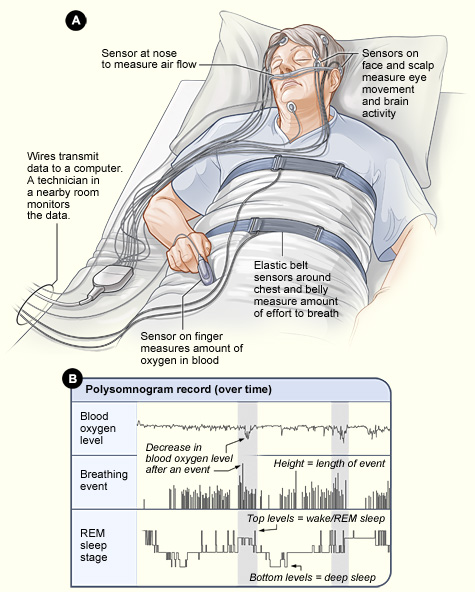
Difficulty falling asleep, repeated awakenings and waking too early can have different contributing factors. Pain, anxiety, medication effects, shift work and other sleep disorders may all matter. Loud snoring, witnessed breathing pauses or gasping during sleep warrant assessment for sleep apnoea. A sedating substance does not diagnose or correct a breathing disorder. The NHS insomnia guidance and sleep apnoea guidance explain why assessment comes before choosing a sleep aid.
The aim of treatment is better sleep together with better daytime functioning. An extra hour in bed is not necessarily a benefit if concentration, balance or morning alertness deteriorates. This is particularly relevant for people who drive, care for children overnight or work in safety-critical roles.

What the controlled trials show
A 2021 crossover trial of ZTL-101 enrolled 24 adults with chronic insomnia symptoms. Participants received a specific THC-containing extract and placebo for two weeks each. The study reported improvements in insomnia symptoms and some sleep measures with the active treatment. Its small size and short treatment periods leave uncertainty about sustained benefit, tolerance and longer-term adverse effects. It tested a particular formulation, not every cannabis oil or flower product.
CBD alone has produced less convincing results. A 2024 pilot trial compared nightly CBD with placebo in 30 adults. Most sleep outcomes, including insomnia severity and several self-reported sleep measures, did not differ significantly between groups. Some secondary findings favoured CBD, but these do not establish it as a reliable insomnia treatment. The research dose is not a recommendation for self-treatment.
Newer work also challenges the idea that a sedating cannabinoid necessarily increases sleep. A pilot study published online in 2025 and in a 2026 journal issue examined a single oral THC/CBD dose in 20 patients. Total sleep time was about 25 minutes shorter and REM sleep about 34 minutes shorter than with placebo. Subjective sleep quality did not improve significantly. This one-night experiment cannot determine longer-term effectiveness, but it demonstrates that changing sleep architecture is not automatically beneficial.
Why positive patient reports still matter
A UK Medical Cannabis Registry analysis reported improvements in patient-reported outcomes among people prescribed cannabis for insomnia. Such observations can reveal experiences and adverse effects that short laboratory studies miss. They are valuable for generating questions and understanding clinical practice.
However, a registry without a randomised placebo comparison cannot separate the medicine’s effect from expectation, other treatment changes, natural fluctuation or selective follow-up. It is possible to take patient improvement seriously while remaining cautious about its cause. A reported association is not the same as proof that the product produced the change.
THC, CBD and CBN are different questions
THC can produce intoxication and sedation. CBD does not produce the characteristic THC high, but this does not make it an established sleeping medicine. Cannabinol, or CBN, is also promoted for sleep. When several cannabinoids are included in one product, a favourable result cannot reveal which ingredient was responsible.
For example, a 2025 pilot study in 20 adults with subthreshold insomnia found improvements with a combination containing THC, CBD, CBN and terpenes over a short period. That finding is about the combination in that population. It cannot establish that CBN alone treats chronic insomnia or that another product with the same marketing description is equivalent.
Long-term use raises different questions
Short studies cannot answer what happens after months of nightly treatment. Clinicians need to consider tolerance, dependence, continued effectiveness and the experience of reducing or stopping THC. Sleep disturbance during withdrawal can make it difficult to distinguish returning insomnia from an effect of stopping cannabis. Cannabis use disorder and withdrawal are recognised risks, described by NCCIH.
If a prescribed product seems to require repeated increases to achieve the original result, that is a reason for review. It is not evidence that more is necessarily better. Any change should follow the prescribing clinician’s plan, especially when other sedating medicines are involved.
Where CBT for insomnia fits
Cognitive behavioural therapy for insomnia, usually called CBT-I, is a first-line treatment for chronic insomnia. It is more structured than general advice to relax or avoid screens. It addresses patterns that maintain insomnia, including the association between bed and wakefulness, sleep scheduling and unhelpful responses to poor sleep. The ZTL-101 trial itself identifies CBT-I as first-line care.
Discuss whether an adequate course of CBT-I has been available, whether another sleep disorder needs treatment and whether pain or mood symptoms are disrupting sleep. Cannabis research should be considered within that wider assessment, rather than allowing the search for a product to replace it.
What a meaningful treatment review looks like
Record bedtime, estimated time to fall asleep, awakenings, waking time, daytime sleepiness and functioning. Compare a representative period before treatment with a representative period afterwards. Include unwanted effects and any changes in alcohol, caffeine or other medicines. The assessment should ask whether life is improving as well as whether nights feel different.
Oral cannabis may have delayed, prolonged effects, so a late additional dose can affect the following morning. Health Canada describes this difference between routes. Never use a fixed number of hours as a guarantee of fitness to drive; the UK rule is that impaired driving remains illegal, including with prescribed medicines.
Selected sources
- Walsh and colleagues, 2021: ZTL-101 insomnia trial.
- Narayan and colleagues, 2024: CBD pilot trial.
- Suraev and colleagues, 2025/2026: objective sleep and EEG trial.
- NHS: insomnia.